
How to Plan Meals from Pantry Staples: Simple Tips for Easy Cooking
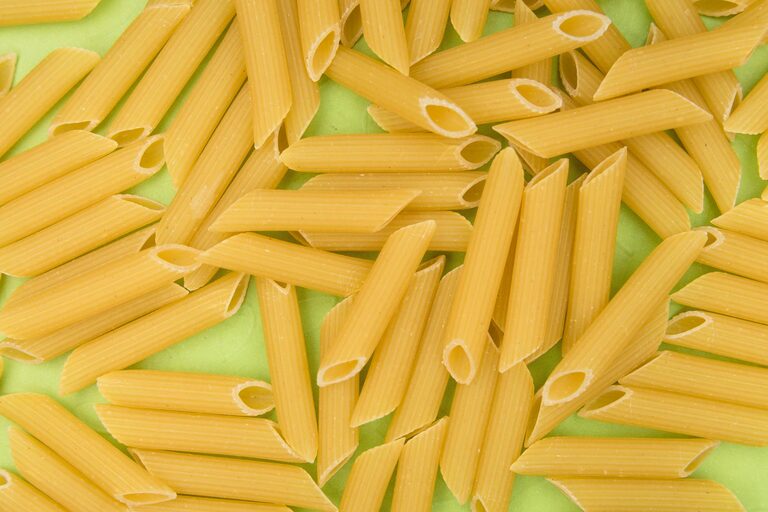
Planning meals around pantry staples is a smart way to save time, reduce food waste, and avoid unnecessary trips to the store. Whether you’re aiming to eat more economically or simply want to use what you have on hand, knowing how to turn basic ingredients into satisfying meals can be a game changer.
In this post, we’ll explore practical steps to help you plan meals using pantry staples effectively. You’ll learn how to organize your pantry, build a versatile stock, and put together tasty dishes with what’s already in your kitchen.
—
Why Plan Meals from Pantry Staples?
Using pantry staples means you’re relying on ingredients that have a long shelf life and are often affordable and nutritious. Planning meals this way:
– Saves money by minimizing last-minute grocery runs
– Helps reduce food waste because you use what you have
– Encourages creativity in the kitchen
– Makes meal prep faster and more convenient
With a well-stocked pantry and a bit of planning, you can whip up a variety of meals without stress.
—
Step 1: Take Stock of Your Pantry
Before planning any meals, it’s important to know exactly what you have.
– Clear out expired items: Discard anything past its use-by date or that looks or smells off.
– Group items: Organize similar ingredients together—canned goods, grains, spices, baking supplies.
– Make a list: Write down everything you have, including quantities if possible.
This inventory will give you a clear picture of your options and help you plan more efficiently.
—
Step 2: Build Your Pantry with Essentials
If you want to maintain a pantry that allows for easy meal planning, having these staples on hand can be very helpful:
Grains and Pasta
– Rice (white, brown, or specialty types like basmati)
– Pasta (spaghetti, penne, or any favorite shapes)
– Quinoa, couscous, or barley
Canned and Jarred Goods
– Beans (black beans, chickpeas, kidney beans)
– Tomatoes (diced, crushed, paste)
– Broth or stock (vegetable, chicken, beef)
– Coconut milk
Baking Basics
– Flour (all-purpose, whole wheat)
– Sugar (granulated, brown, powdered)
– Baking powder and baking soda
– Yeast
Oils and Vinegars
– Olive oil, vegetable oil, or canola oil
– Vinegar (white, apple cider, balsamic)
Spices and Herbs
– Salt and pepper
– Garlic powder, onion powder
– Paprika, cumin, chili powder
– Dried herbs like oregano, thyme, basil
Other Staples
– Nuts and seeds
– Nut butters
– Shelf-stable milk or milk alternatives
– Stocked frozen vegetables (optional)
—
Step 3: Plan Meals by Grouping Ingredients
Once you have your pantry inventory ready, start thinking about meals by combining compatible ingredients.
Example Meal Ideas
#### 1. Pasta with Tomato and Bean Sauce
– Ingredients: Pasta, canned tomatoes, canned beans, garlic powder, olive oil
– Preparation: Sauté olive oil and garlic powder, add tomatoes and beans, simmer, and serve over cooked pasta.
#### 2. Rice and Vegetable Stir-Fry
– Ingredients: Rice, frozen or canned vegetables, soy sauce (if available), oil, spices
– Preparation: Cook rice, stir-fry veggies with spices and oil, mix all together.
#### 3. Bean and Quinoa Salad
– Ingredients: Canned beans, quinoa, olive oil, vinegar, dried herbs
– Preparation: Cook quinoa, drain and rinse beans, toss everything with olive oil, vinegar, and herbs.
Tips for Meal Planning
– Mix proteins and carbs: Combine beans, grains, and canned vegetables for balanced nutrition.
– Use spices creatively: Changing spices changes flavor profiles, so experiment.
– Cook double batches: Make more than one serving for leftovers or next-day meals.
—
Step 4: Create a Weekly Meal Plan
Once you have meal ideas based on your staples, draft a simple weekly meal plan.
– Choose 3 to 5 meals based on what you have.
– Allocate days for leftovers or easy meals.
– Check if any fresh produce or perishables are needed and plan when to buy them.
Having a plan reduces decision fatigue and helps you stay organized throughout the week.
—
Step 5: Shop Smart to Fill Gaps
Occasionally, you might need to shop to fill gaps or replenish essentials.
– Stick to your list that complements pantry items.
– Buy versatile fresh ingredients that can pair with multiple staples, like onions, garlic, and fresh greens.
– Take advantage of sales or bulk buying for items you use frequently.
—
Bonus Tips for Success
– Label your pantry: Use labels and clear containers to quickly see what you have.
– Keep a running wishlist: Note items that are running low or missing.
– Use apps or meal planners: Digital tools can help with organization and recipe ideas.
– Rotate stock: Use older items first to keep your pantry fresh.
—
Conclusion
Meal planning from pantry staples is a practical skill that can save time, money, and energy while encouraging healthier, home-cooked meals. By knowing what you have, building a versatile pantry, and organizing simple meal plans, you’ll find it’s easier than ever to enjoy tasty meals without last-minute grocery runs.
Give these tips a try and see how planning from your pantry staples can transform your routine in the kitchen!
—
Happy cooking!