
Quick Ideas to Brighten a Dark Room and Uplift Your Space
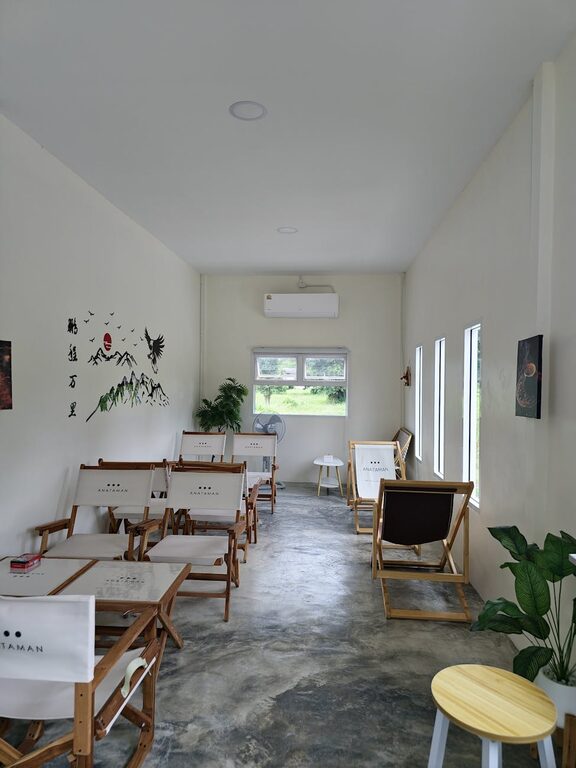
When a room feels dark and gloomy, it can affect your mood and how you enjoy the space. Fortunately, brightening a dark room doesn’t always require expensive renovations or major construction. With a few thoughtful adjustments, you can make any room feel lighter, airier, and more welcoming. In this post, we’ll explore practical and creative ideas to brighten up those shadowy corners and invitingly transform your living space.
Understanding Why Rooms Feel Dark
Before diving into solutions, it’s helpful to recognize common causes of darkness in a room:
– Limited natural light: Few or small windows restrict sunlight.
– Heavy window coverings: Dark curtains or blinds can block light.
– Dark paint or ceiling colors: Deep tones absorb light.
– Cluttered or bulky furniture: These can block or trap light flow.
– Insufficient artificial lighting: Inadequate or poorly placed lights leave dark spots.
Knowing what might be making a room feel dark helps you target changes effectively.
Maximize Natural Light
One of the easiest ways to brighten a room is to let in more daylight.
1. Trim Outdoor Obstacles
If bushes or trees block windows, consider trimming them to increase exposure to sunlight.
2. Use Sheer Window Treatments
Replace heavy drapes with sheer curtains or light-colored blinds that allow light while maintaining privacy.
3. Keep Windows Clean
Dirty windows reduce the amount of sunlight entering a room. Regular cleaning can improve brightness.
4. Rearrange Furniture
Move bulky furniture away from windows to prevent blocking natural light.
Choose Light and Reflective Colors
Color impacts how light behaves in a space.
1. Paint Walls Light Colors
Opt for whites, creams, pastels, or light neutrals. These reflect more light than darker hues.
2. Brighten Ceilings
Painting the ceiling pure white or a very light color can help bounce light downward.
3. Incorporate Reflective Surfaces
Mirrors, glass, and metallic decor pieces reflect light, creating an illusion of brightness and space.
Enhance Artificial Lighting
Good lighting design compensates for a lack of natural light.
1. Layer Your Lighting
Combine ambient (overhead), task, and accent lighting to brighten every corner.
– Ambient: Ceiling fixtures, flush mounts, or chandeliers.
– Task: Desk lamps, reading lights, under-cabinet lights.
– Accent: Wall sconces, picture lights, LED strips.
2. Use LED Bulbs with High Lumens
Choose energy-efficient LED bulbs with a higher brightness rating and a color temperature around 3000K to 4000K for a warm but bright light.
3. Add Floor and Table Lamps
Position lamps in dark corners or near seating areas to eliminate shadows.
4. Utilize Smart Lighting
Programmable lights let you adjust brightness and color temperature depending on time of day or mood.
Choose Bright and Minimalist Furnishings
The right furniture and accessories can make a big difference.
1. Pick Light-Colored Furniture
Lighter sofas, chairs, and tables open up the room visually.
2. Avoid Heavy Fabrics
Replace heavy, dark fabrics with lighter materials such as linen or cotton.
3. Declutter Regularly
Too many objects can make a space feel cramped and darker by limiting light flow.
4. Use Transparent or Small-Scale Furniture
Glass or acrylic pieces and small tables reduce visual weight.
Add Creative Touches to Increase Brightness
Sometimes small, unexpected changes bring the most charm.
1. Introduce Plants With Light Leaves
Plants with pale or variegated foliage brighten the room and add life.
2. Hang Mirrors Strategically
Place mirrors opposite windows or light sources to maximize reflection.
3. Use Bright Artwork and Accessories
Colorful or light-toned art pieces and cushions can lift the atmosphere.
4. Add Metallic Accents
Gold, silver, or brass details catch and reflect light beautifully.
Practical Examples and Tips
– Kitchen: Use under-cabinet lighting and install a light backsplash.
– Bedroom: Opt for light-colored bedding and a statement mirror behind the headboard.
– Living Room: Choose a light rug to contrast with dark floors and add floor lamps near seating.
– Bathroom: Use LED vanity lights and white tiles with gloss finishes.
Final Thoughts
Brightening a dark room does not have to be complicated. By combining thoughtful color choices, maximizing natural light, layering artificial lighting, and selecting the right furnishings, you can create a cheerful, inviting space that feels larger and more open. Even small changes like adding a mirror or replacing heavy curtains make a big difference. Start with one or two ideas, and watch your room transform into a bright and happy place to spend time.
Feel free to share your favorite brightening tips in the comments below!