
How to Start a Small Herb Garden Indoors: A Beginner’s Guide
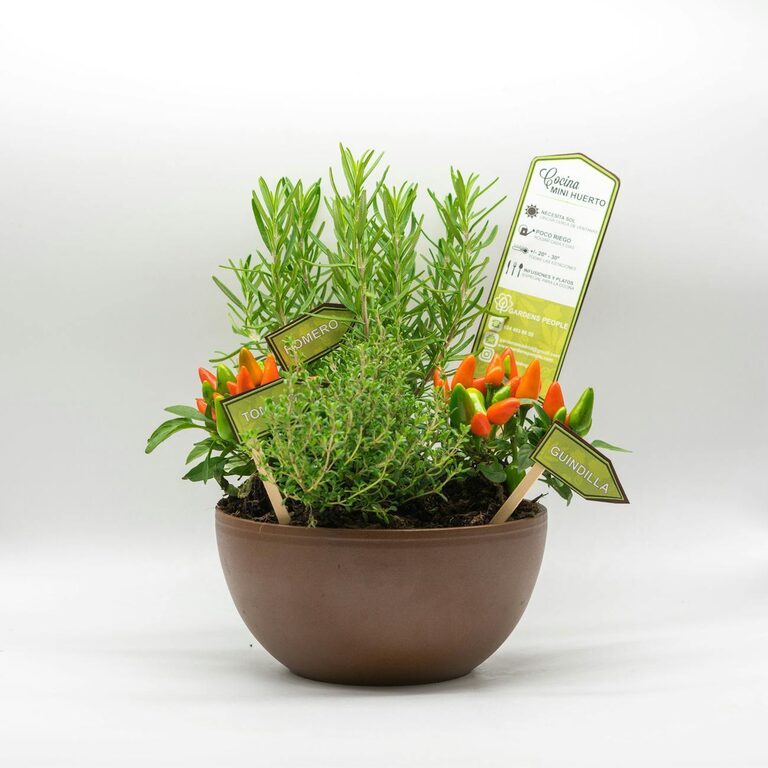
Starting an herb garden indoors is a wonderful way to bring fresh flavors to your kitchen and add a touch of greenery to your living space. Whether you have a small apartment or a spacious home, growing herbs inside is enjoyable and rewarding. In this guide, we’ll walk you through everything you need to know to create a flourishing indoor herb garden, even if you’re a complete beginner.
Why Grow Herbs Indoors?
Growing herbs indoors offers several benefits:
– Freshness: Have fresh herbs available anytime for cooking and garnishing.
– Convenience: No need to rush to the store for herbs.
– Year-round growth: Indoor environments allow herbs to grow regardless of season.
– Indoor air quality: Many herbs can help purify the air in your home.
– Aesthetics: Herbs add natural beauty and fragrance.
Choosing the Right Herbs for Indoor Gardening
Not all herbs thrive indoors, so it’s best to start with varieties that prefer moderate indoor conditions and are relatively low maintenance. Some popular indoor herbs include:
– Basil: Great for summer dishes but needs plenty of light.
– Parsley: Hardy and versatile with moderate light needs.
– Mint: Grows fast and can even be invasive outdoors—indoors is perfect.
– Chives: Easy to grow and great for salads and garnishing.
– Thyme: Requires bright light but grows well indoors.
– Cilantro: Prefers cooler temperatures and moderate light.
– Oregano: Tolerates lower light and is perfect for pizza and pasta dishes.
Choose 3-5 herbs to start with so you can give each the right care without feeling overwhelmed.
What You’ll Need to Start Your Indoor Herb Garden
Before planting, gather these essentials:
– Containers: Pots with drainage holes are best. Small to medium sizes work well.
– Potting mix: Use a light, well-draining potting soil formulated for indoor plants.
– Seeds or seedlings: You can start from seeds or buy young herb plants.
– A sunny spot: Most herbs need at least 6 hours of natural light.
– Watering can: For gentle, controlled watering.
– Fertilizer: A balanced, water-soluble fertilizer to nourish the herbs.
– Labels (optional): To keep track of the different herbs.
Step-by-Step Guide to Starting Your Herb Garden
Step 1: Choose the Right Location
Most herbs prefer a south-facing window where they get 6 to 8 hours of sunlight daily. If natural light is limited, consider using a grow light to provide adequate light.
Step 2: Select Containers and Prepare Soil
Select pots with drainage holes to prevent root rot. Fill them with a high-quality potting mix designed for indoor plants. Avoid garden soil, which can be too heavy and may harbor pests.
Step 3: Plant Your Herbs
– Seeds: Follow the instructions on the seed packets. Typically, plant seeds about twice as deep as their size.
– Seedlings: Gently loosen the roots and plant them at the same depth they grew in their nursery containers.
Water gently after planting to settle the soil without washing away seeds.
Step 4: Watering Routine
Keep the soil moist but not soggy. Herbs generally like the soil to dry out a bit between waterings. Feel the top inch of soil; water when it starts to feel dry.
Step 5: Provide Adequate Light
Place your herb garden in a spot with plenty of natural light or use an adjustable grow light to provide 12-16 hours of light each day. Rotate pots occasionally to ensure all sides get light evenly.
Step 6: Feeding Your Herbs
Every 4 to 6 weeks, feed your herbs with a diluted water-soluble fertilizer to encourage healthy growth. Follow the instructions on your fertilizer package carefully.
Step 7: Pruning and Harvesting
Regular pruning encourages bushier growth. Use scissors to snip off leaves and stems as needed, harvesting the herbs for your cooking. Avoid cutting more than one-third of the plant at a time to keep it healthy.
Tips for Success
– Avoid Overwatering: Too much water is a common cause of indoor herb failure.
– Maintain Proper Humidity: Indoor air can be dry; mist plants occasionally or place a humidity tray nearby.
– Watch for Pests: Inspect regularly for insects like aphids or spider mites and address issues promptly.
– Use Fresh Soil: Repot herbs yearly or replace the top layer of soil to prevent mineral buildup.
– Be Patient: Herbs grown from seed may take several weeks to establish.
Common Challenges and How to Solve Them
| Challenge | Solution |
|—————————-|———————————————|
| Leggy, thin plants | Increase light exposure or use grow lights.|
| Yellowing leaves | Check watering; reduce overwatering. |
| Slow growth | Fertilize gently and ensure enough light. |
| Pest problems | Wipe leaves with soapy water or use neem oil.|
Creative Ideas to Enhance Your Herb Garden
– Use decorative pots that match your kitchen decor.
– Plant herbs in a vertical garden or hanging containers to save space.
– Combine herbs with other indoor plants for variety.
– Label each plant with chalkboard tags or fun markers.
– Use a small indoor shelf or windowsill dedicated to your herb garden.
Conclusion
Starting a small indoor herb garden is easy, enjoyable, and perfect for anyone who loves fresh, homegrown flavors. With a little planning, the right location, and consistent care, your indoor herbs will thrive and brighten both your meals and your space. Ready to get planting? Choose your favorite herbs, gather your supplies, and enjoy the journey to your own indoor herb oasis!
—
By incorporating these tips and steps, you’ll soon be harvesting fresh herbs right from your windowsill—happy gardening!